Kensington House Clearance in Kensington

Kensington House Clearance provides a practical house clearance service in Kensington for homes, flats and mixed domestic properties that need rooms emptied with care and attention. The work can cover individual rooms, full properties, or selected items that no longer need to remain on site. The focus is on clear, orderly removal, so the property can be left ready for the next stage without unnecessary disruption.
We handle a wide range of clearance work, from removing a few bulky items to dealing with a more substantial household clearance. That can include furniture, white goods, box contents and general household items, with an approach suited to the layout and access of the property. If you need a straightforward service for a move, a bereavement, a landlord handover or a long-overdue sort-out, this is the main place to start.
For a clear quote, it helps to describe what needs clearing, how much access is available and whether there are items you want to keep. You can request a quotation once you have the essentials together, and the next step is then easier to plan.
House, flat and partial clearance options
House clearance is not always about an entire property being emptied in one visit. Many jobs begin with specific spaces such as a spare room, loft storage, a front room, or a property that has been partly cleared already. A sensible service will match the scale of the job, so you are not left paying for more work than is needed. In a dense residential area, that flexibility matters because access, parking and stairways can shape how a clearance is organised.
When a property contains a mix of items, a useful clearance service separates what is to be removed from what is to stay behind. That can be important where family belongings, documents, fixtures or saleable furniture need to remain in place. House clearance is suitable when the whole home needs attention, while more focused work can often be arranged where only certain rooms or categories of items are involved.
Furniture, bulky items and everyday household contents

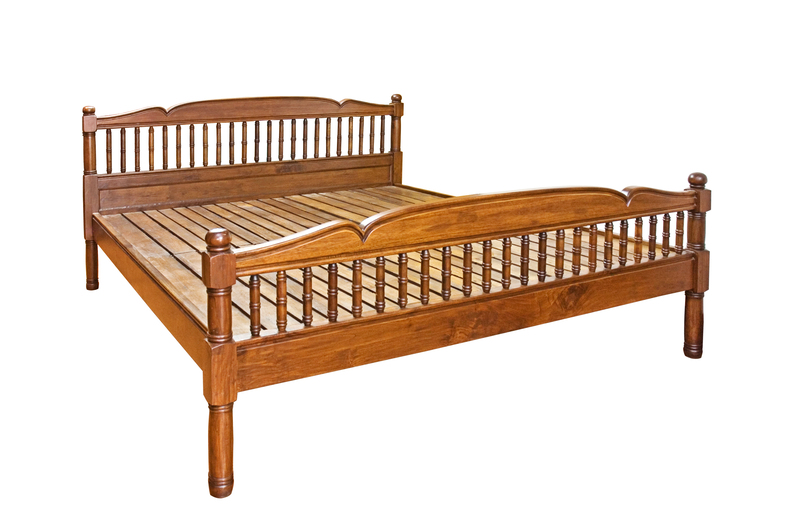
Furniture removal is often the central part of a house clearance, because larger pieces are awkward to shift safely without planning. Sofas, wardrobes, beds, tables, shelving and cabinet units may all need to come out in a controlled order. We also deal with general household contents where the items are no longer required, including bags, small furnishings and mixed objects that would take too long to sort alone.
Where pieces are still in reasonable condition, some customers prefer them to be handled separately from ordinary waste. That makes it useful to distinguish between removal, disposal and recycling rather than treating everything as the same type of load. Furniture clearance is the relevant option when the job centres on bulky household pieces, while furniture disposal may suit items that are simply at the end of their usable life.
Clarity at the start matters: list the larger pieces, mention any dismantling already done, and say whether anything is fragile, fixed or awkward to move. That keeps the plan realistic and helps the work proceed in the right order. If you are comparing options, the type of items often matters as much as the size of the property.
Lofts, garages and other storage-heavy spaces
Some of the most time-consuming clearance work involves spaces that have been used for storage over many years. A loft, garage or outbuilding can contain mixed belongings, old packaging, seasonal goods, broken items and boxes that have not been opened in a long time. These spaces often require patience rather than speed, because the task is as much about safe handling and sorting as it is about removal.
Our loft clearance service is suited to upper-floor storage spaces where access may be narrow, angled or limited by stairs. Garage clearance is useful when a garage has become a holding area for tools, household goods or unrelated clutter. Each type of space needs its own approach, because what is easy to move from ground level may be awkward once it is lifted, carried or manoeuvred through tight openings.
Garden and external clearance work
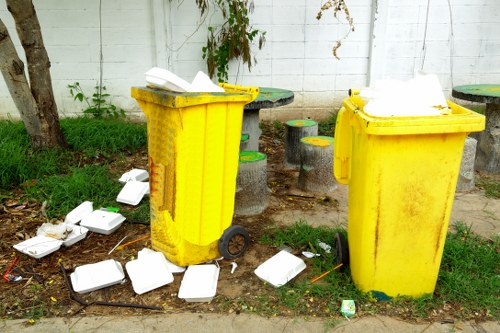
External areas can need the same disciplined attention as the inside of a property. Garden clearance may involve the removal of broken outdoor furniture, plant waste, compost sacks, timber offcuts, plant pots or general items that have accumulated in sheds and borders. The task often becomes more involved where access is uneven or where items have been left outside for long periods and need careful lifting.
Garden clearance is a good fit for outdoor spaces that need tidying as part of a wider property clear-up, while builders waste clearance is more relevant where the material came from DIY work or light renovation. These are different jobs: one usually deals with domestic outdoor clutter, while the other focuses on leftover materials from building or improvement work. Matching the service to the waste helps keep the job efficient and appropriate.
Office and business premises
Commercial clearance work has different priorities from domestic work because there may be desks, chairs, filing units, shelving, electronics, archived paperwork or stock to move without causing disruption to trading. Offices can also involve shared entrances, managed buildings and arranged time windows for collection, so planning matters. The aim is to remove unwanted items in a way that fits the working environment and avoids unnecessary interruption.
For workplaces, our office clearance service is designed for desks, seating, storage and general office contents. If the work is part of a broader premises change, business waste removal may be the better fit for mixed commercial waste that needs collecting and taking away in an orderly way. The right choice depends on whether you are clearing furniture, equipment or more general business waste streams.
Before a quote is prepared, it helps to know the floor level, building access and whether lifts, loading bays or managed entry arrangements are involved. That is especially important in commercial settings because the practical route can affect how the job is carried out. A brief description of the contents is usually enough to begin. Good information at the outset makes the quotation easier to shape.
Waste removal, recycling and responsible handling

House clearance is not just about moving items out; it also includes deciding how different materials are handled once they are removed. Mixed domestic and commercial loads can contain reusable items, recyclable materials and general waste, so the approach should be orderly and sensible. A well-planned clearance separates likely categories as far as practical, rather than treating every object in the same way.
Waste removal is a broader option when the job is less about emptying a property and more about taking away unwanted items from a specific site. Where environmental handling is a concern, recycling and sustainability gives useful background on how the business approaches responsible disposal. That may matter if your clearance includes a mixture of furniture, packaging, metal, wood or other common household materials.
Prices are usually influenced by volume, item type, access, labour and how the work is spread across the property, so it is sensible to describe those factors clearly. If there are heavy pieces, restricted parking or awkward staircases, say so early. For a practical next step, ask for a quotation when you know the main items and the likely scope of the job.
About Kensington
Kensington is one of west London’s best-known districts, shaped by a long history of royal, residential and cultural development. It lies within the Royal Borough of Kensington and Chelsea and is closely associated with large mansion blocks, garden squares, embassies and institutions that give the area a formal and established character. The district’s street pattern reflects successive phases of building, from older terraces and town houses to later mansion flats and mixed-use stretches that have developed around transport links and shopping streets. Kensington High Street remains a central commercial corridor, while smaller roads and squares show the quieter residential character that sits behind it. To the south and west, the district connects with some of London’s most recognisable open spaces and cultural landmarks, including Kensington Gardens and Hyde Park, both of which shape the experience of the area even when viewed from its denser streets. The Natural History Museum, the Victoria and Albert Museum and the Science Museum sit nearby in the museum district to the east, reinforcing Kensington’s association with education, heritage and visitor traffic. The area also includes notable religious and civic architecture, with the spire of St Mary Abbots standing out as a local landmark. Many streets retain a strong architectural identity through stucco-fronted terraces, garden squares and mansion blocks, while nearby redevelopment has introduced more contemporary forms. Kensington is not a single uniform neighbourhood; it contains a range of sub-areas and street types, from quieter residential pockets to busier routes close to stations and retail frontages. That mix has helped it remain both recognisable and varied, with a built environment that combines prestige, history and everyday urban life.
Handling moves, ongoing clear-outs and end-of-tenancy jobs
Some clearance work is tied to a move or the handover of a property, while other jobs are part of a longer process of sorting through accumulated belongings. The service can be adapted to suit either approach. A move-related clearance may focus on heavy or unwanted items that are impractical to take elsewhere, while an end-of-tenancy job may require the property to be emptied of remaining household contents. In both cases, the goal is to reduce the amount left behind and make the space manageable.
For properties where the clearance forms part of a broader move, it can help to separate sentimental items, essentials and anything that will travel elsewhere before the main work begins. Keep the service focused on the things that should leave the property, and leave fixed fittings or items that are staying in place clearly identified. If the work involves several rooms, flat clearance can be more suitable where the property is smaller or arranged across multiple levels of access.
Two simple preparations are usually enough for an accurate estimate: first, note the main rooms or storage areas involved; second, say whether the items are ready to be removed or still need basic sorting. If you prefer to keep the arrangement straightforward, clear notes are better than a long explanation. Then you can make the next move with confidence.
Property types, access and practical planning

Different properties create different working conditions, and that affects how a house clearance should be organised. A top-floor flat with narrow stairs is not the same as a ground-floor house with a direct route to the street, and neither is the same as a property with a shared entrance or controlled access. Careful planning makes the work smoother because it allows the load, movement and sequence of removal to be considered before the day begins.
Flat clearance is particularly relevant where the property is in a block or conversion and access needs to be considered carefully. For larger domestic premises, home clearance is the broader choice when the work spans more than one room type and the overall aim is to remove a substantial amount of household contents. The distinction is useful because the layout of the property often shapes the most efficient way to clear it.
When you are ready to move from planning to action, keep the request practical and direct: say what needs clearing, where it is located and whether anything requires special handling. Then ask for a quotation if you want the work priced against the actual scope rather than a rough guess. A focused enquiry usually produces a clearer response.
Choosing the right clearance route for your job
Not every job needs the same level of service, and one of the most useful choices is deciding whether the work should be treated as house clearance, furniture clearance, waste removal or a more specific room-by-room job. The right route depends on what is being removed and how the property is arranged. If the aim is to empty a single space full of mixed items, a targeted clearance may be enough. If the whole property needs attention, a more comprehensive service is the better fit.
The service pages linked throughout this site can help you match the job to the right category. Use the more specific option where possible, because that usually makes the request clearer and avoids confusion about what is included. If you are unsure, it is better to describe the property and contents in plain terms than to force everything into one label. The most useful quotation starts with an honest description of the work, not an assumption.
For a straightforward enquiry, send the basic facts and let the scope do the talking. If you need a house clearance in Kensington, the next step is simple: contact us to request a quotation and outline the items that need to be removed.