Kensington High Street rubbish removal guide for homeowners
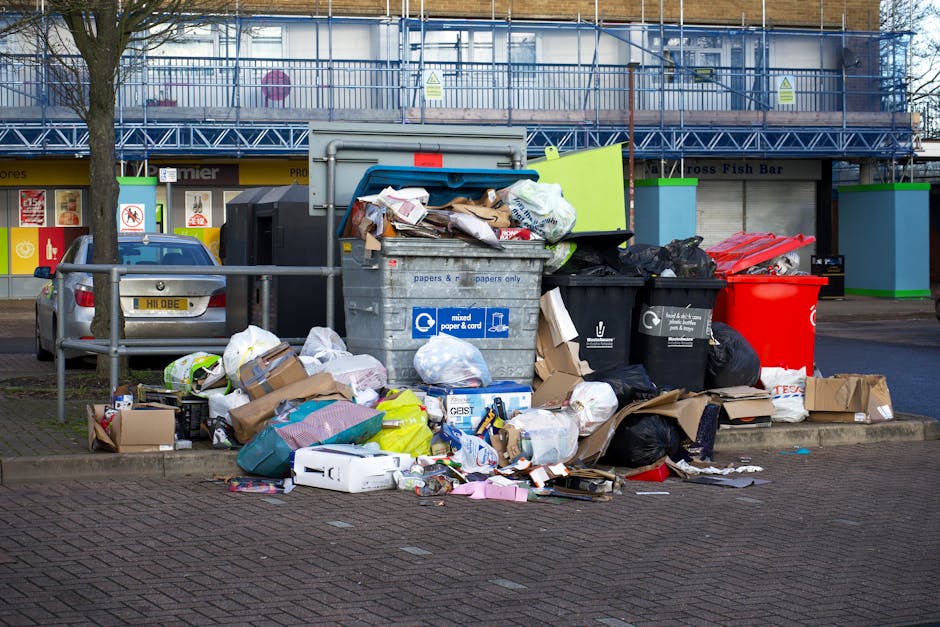
If you live near Kensington High Street, rubbish removal can feel simple on the surface and awkward the moment you actually start sorting bags, broken furniture, old paint tins, or a loft full of forgotten bits. The reality is a bit less tidy than the pile by the front door. This Kensington High Street rubbish removal guide for homeowners is here to make the process easier, safer, and far less stressful.
Whether you are clearing out after a renovation, making space before a move, or just trying to get on top of everyday household clutter, the right plan matters. In a busy part of West London, access, timing, recycling, and building rules can all affect how smoothly the job goes. Below you will find a practical, homeowner-friendly guide covering what rubbish removal involves, how it works, the mistakes to avoid, and how to choose the most sensible option for your home.
And yes, there is a way to do it without turning your hallway into a mini skip depot.
Why Kensington High Street rubbish removal guide for homeowners Matters
Kensington High Street is a polished, busy stretch of London, but homes nearby still generate the same unwanted stuff as anywhere else: damaged furniture, packaging after refurbishments, old appliances, garden waste, loft clutter, and the inevitable miscellaneous pile that appears in the spare room. The difference is that local access, parking, traffic, and property layouts can make disposal more awkward than expected.
That is why having a proper rubbish removal plan matters. If you try to handle everything last minute, you can end up with overflowing rooms, blocked entrances, or waste sitting around longer than it should. For homeowners, the goal is usually straightforward: remove the rubbish quickly, keep the property tidy, and make sure the waste goes where it should. Simple enough. In practice, it takes a bit of judgement.
It also matters because not every item can be treated the same way. A broken wardrobe is one thing. Plasterboard, electricals, mattresses, paint, and mixed renovation waste are another. If you separate those properly from the start, you save time and reduce the chance of disposal problems later.
Expert summary: For most homeowners, the best rubbish removal approach is the one that balances convenience, access, recycling, and compliance. The cheapest option is not always the easiest, and the easiest option is not always the most responsible.
If you are clearing a property in stages, services such as home clearance, house clearance, or flat clearance can be useful depending on the scale of the job. For bulky items, furniture disposal or furniture clearance may be more practical than trying to piece everything together yourself.
How Kensington High Street rubbish removal guide for homeowners Works
At a homeowner level, rubbish removal usually follows a few clear steps: identify what needs to go, separate recyclable or reusable items, choose a removal method, and arrange collection or drop-off. The exact process depends on the type of waste and how much of it you have.
For smaller amounts, you may be dealing with general household waste, broken chairs, old boxes, or a few bags of clutter from a decluttering weekend. For larger clearances, especially after decorating or DIY, the waste can include timber, plaster, packaging, old units, carpets, or awkward mixed loads. That is where structured waste removal becomes much more useful.
Many homeowners in Kensington High Street area properties live in flats, maisonettes, period conversions, or compact homes with narrow staircases and shared entrances. That affects how the work is done. A team may need to carry items carefully down stairs, plan for loading access, or work within building rules and time restrictions. It sounds minor, but it can make a real difference to how long the clearance takes.
If you want a broader service for mixed household waste, waste removal is often the most flexible option. If the job is connected to a refurbishment or repair, builders waste clearance is more suitable because it is designed for heavier, messier materials from building work.
One thing people often underestimate is sorting. Once waste is mixed together, it becomes harder to recycle properly and harder to move efficiently. A little preparation at home makes the job smoother. Not glamorous, but effective.
Key Benefits and Practical Advantages
A good rubbish removal service or process is not just about getting stuff out of the way. It can solve a lot of small frustrations at once.
- Space comes back quickly. A clear hallway, spare room, or garage immediately changes how a home feels.
- Less stress. You do not need to manage multiple trips, loading hassle, or last-minute disposal plans.
- Better safety. Removing sharp, heavy, or unstable items reduces the chance of trips and injury.
- Cleaner presentation. Handy if you are selling, letting, renovating, or welcoming family round.
- More recycling opportunities. A professional approach can separate reusable and recyclable materials more effectively.
- Convenience in a busy area. Useful when parking, access, and time are already tight.
There is also a less obvious benefit: momentum. Once the waste starts leaving the property, everything else tends to move faster too. That spare room suddenly becomes usable. The loft project becomes manageable. The kitchen renovation stops feeling like a never-ending mess.
For homeowners dealing with old outdoor clutter, garden clearance can help with branches, soil bags, broken pots, and general outdoor waste. If the clutter is hidden away upstairs, loft clearance is often the better fit. Little detail, big difference.
Who This Is For and When It Makes Sense
This guide is for homeowners who want a practical way to deal with rubbish without overcomplicating things. It is especially relevant if you are:
- clearing a property before sale or rent
- tidying up after decorating or refurbishment work
- removing old furniture, white goods, or general clutter
- emptying a garage, loft, shed, or spare room
- managing a probate, downsizing, or family home clear-out
- dealing with waste that is too much for normal household bins
It also makes sense if you simply do not have the time or vehicle to move bulky items yourself. Let's face it, lugging a mattress down three flights of stairs on a rainy Tuesday is nobody's idea of fun.
In some homes, the right solution is a full house clearance. In others, you only need targeted help with one part of the property, such as garage clearance or furniture disposal. Choosing the smallest suitable service usually keeps things simpler and more cost-effective.
If you are working from home and clearing office furniture, monitors, paper archives, or old filing cabinets, office clearance may be worth considering too, even for a domestic setup. Home offices produce more clutter than people expect. Cables everywhere. Always cables.
Step-by-Step Guidance
Here is a sensible way to approach rubbish removal at home without making it harder than it needs to be.
- Walk through the property slowly. Make a note of everything that needs to go. Check the loft, under stairs, garden corners, and storage areas. People often miss two or three items on the first pass.
- Separate by type. Group general waste, furniture, electrical items, garden waste, renovation debris, and anything that may need special handling. Keep hazardous or awkward items apart.
- Decide what can be reused or donated. A solid table or usable chair may not need to be treated as rubbish at all. If it still has life left in it, think carefully before sending it away.
- Check access. Measure doorways, stairs, and tight turns. In period homes and conversions, this matters more than people think. A sofa that looks fine in the room can be a nightmare at the landing.
- Choose the right removal route. For light waste, a standard collection may be enough. For bulkier mixed waste, a dedicated clearance service is often quicker and tidier.
- Prepare the space. Move fragile items, clear a path to the exit, and make sure parking or loading arrangements are realistic.
- Confirm what will be taken. Be clear about bulky, heavy, or special items so there are no surprises on the day.
- Inspect the cleared area. Once the rubbish is gone, check corners, cupboards, and hidden spots. You will always find one last strange object. Always.
For some homeowners, combining services makes sense. A loft packed with old furniture and boxes might need loft clearance plus furniture clearance. A post-renovation property may need both builders waste clearance and general waste removal. The best fit depends on the mix, not just the volume.
Expert Tips for Better Results
A few small decisions can make the whole job smoother.
- Clear the easy items first. This creates space for the awkward items and helps you see what is really left.
- Keep fragile waste separate. Broken glass, ceramics, and sharp edges should not be mixed with soft household clutter.
- Be realistic about timing. If you have a narrow stairwell or shared entrance, allow a little extra time. Rushing usually causes problems.
- Photograph bulky items before collection. This helps avoid misunderstandings and is useful if you are comparing quotes.
- Ask about recycling and reuse. Responsible removal is not just about disposal; it is about sorting properly.
- Use one room as a staging area. That way the rest of the home stays liveable during the clear-out.
One practical tip many people miss: do the emotional stuff first. Family papers, old photos, sentimental bits. If you leave those until the end, the job can drag on forever. It sounds soft, but it is true.
If you want to understand how a provider handles responsible sorting and recovery, the company's recycling and sustainability page is worth reading alongside its about us information. Trust matters, especially when someone is entering your home and handling a mix of personal belongings.
Common Mistakes to Avoid
Most rubbish removal problems are avoidable. They usually come down to poor sorting, poor timing, or assuming every item is straightforward.
- Leaving everything to the last minute. This creates pressure and often leads to rushed decisions.
- Mixing different waste streams. Once everything is piled together, the job becomes slower and less efficient.
- Forgetting access issues. Narrow staircases, parking restrictions, or shared entrances can derail an otherwise simple job.
- Not checking what needs special handling. Electrical items, paint, and heavy materials can require extra care.
- Choosing based on price alone. Cheap is not always good value if the service is slow, messy, or unclear.
- Underestimating how much stuff there is. The "one van load" assumption often turns into two. It happens more than people admit.
Another common mistake is using a service that is not well matched to the job. For example, a few bulky household items may not need a full home clearance, while a full property emptying definitely does. Matching the service to the task saves time and usually reduces stress.
To be fair, people do this because the waste has been there for months. It starts to disappear into the scenery. Then one Saturday morning you notice it all at once. Funny how that works.
Tools, Resources and Recommendations
You do not need a van full of specialist gear to prepare for rubbish removal, but a few basic tools help.
- Strong bags and boxes for loose clutter and smaller items
- Work gloves for sharp, dusty, or rough materials
- Packing tape and labels to separate keeps, donate, recycle, and remove piles
- Measuring tape for bulky furniture and access checks
- Dust sheets or old covers to protect floors and shared areas
- Phone camera to record what needs removing and help with quotes
From a homeowner's point of view, the best recommendation is usually to start small and stay organised. One room at a time. One category at a time. It is much easier to handle a clear set of decisions than a vague mountain of "stuff".
For more specialised domestic needs, you can also look at pages focused on particular item types, such as furniture clearance or furniture disposal. If the job is more about property-wide tidying, home clearance can be a better fit.
Law, Compliance, Standards, or Best Practice
For homeowners, the key issue is making sure waste is handled responsibly and sent to an appropriate facility. UK waste rules can be technical, so it is usually better to think in terms of best practice: use a reputable service, separate materials sensibly, and avoid fly-tipping or leaving waste in public areas.
You should also be careful with items that can cause harm if handled badly, such as sharp metal, broken glass, old electricals, paints, chemicals, or heavy materials. If in doubt, keep them apart and make sure the provider knows about them in advance.
In shared buildings or managed blocks, there may also be building rules about collection times, lift use, loading bays, or communal areas. That is not really about law in the abstract; it is about common sense and courtesy. Nobody wants a hallway left messy for half the afternoon.
Good practice also includes insurance and safety. If someone is entering your home or moving heavy items, it is sensible to know that the business takes safety seriously. You can review practical details through the company's insurance and safety information and health and safety policy. Those pages help you understand how risk is handled in day-to-day work.
If a provider is transparent about pricing, payment, and terms, that is usually a good sign too. Homeowners should always know what is included, what is not, and how any extra items are handled. Clear terms reduce stress. Simple, but important.
Options, Methods, or Comparison Table
There is more than one way to deal with rubbish at home. The best method depends on volume, item type, access, and how quickly you need the space back.
| Method | Best for | Advantages | Watch-outs |
|---|---|---|---|
| DIY trips to a disposal site | Small loads and people with time and transport | Direct control and flexible timing | Time-consuming, tiring, and not ideal for bulky items |
| Regular household bin disposal | Very small amounts of everyday waste | Convenient for routine rubbish | Not suitable for bulky, heavy, or mixed clearance waste |
| Specialist rubbish removal | Bulky, mixed, or awkward household waste | Fast, convenient, and usually easier for access issues | Needs clear item lists and realistic scheduling |
| Targeted service such as furniture or garden clearance | Specific item categories | Focused and efficient | Less suitable if the property has mixed waste types |
| Full house or home clearance | Larger declutters, moves, or probate situations | Comprehensive and time-saving | May be more than you need for a small job |
For many Kensington High Street homeowners, the middle ground is often best. Not everything needs a large-scale solution. But trying to deal with a whole property using only bins and goodwill? That tends to go badly. Every time.
Case Study or Real-World Example
A typical example might be a homeowner in a period conversion just off Kensington High Street who is preparing for a redecorating project. The spare room holds an old wardrobe, two broken bedside tables, several bags of books, a folding chair, and boxes from years ago that nobody has opened in ages. The loft is worse. Of course it is.
Rather than trying to do everything in one frantic weekend, the homeowner splits the job into stages. First, they sort items into keep, recycle, donate, and remove. Then they measure the wardrobe and check the stair turns, because the landing is tight. They choose a combined clearance approach, using furniture-focused removal for the bulky pieces and general waste removal for the smaller clutter.
On the day, the access route is clear, the hallway is protected, and the team can work without constant stop-start decisions. The result is not just a tidier room. It is a room that can actually be used again, which is the real win.
That kind of outcome is why planning matters more than people think. The waste itself is only half the problem. The other half is friction, and that is what good preparation removes.
Practical Checklist
Use this before arranging rubbish removal at home:
- List all items that need removing
- Separate furniture, general waste, garden waste, and renovation debris
- Check for electricals, glass, paint, or anything that may need special handling
- Measure bulky items and tight access points
- Clear a path from each room to the exit
- Confirm parking, loading, or building access arrangements
- Decide whether you need a full clearance or a targeted service
- Take photos if you want a clearer discussion about scope or pricing
- Protect floors, walls, and shared areas if needed
- Keep valuables, paperwork, and sentimental items safely separate
Checklist done properly, the rest tends to flow. It really does help.
If you are ready to move from planning to action, you can review pricing and quotes information and then decide whether a more general waste removal service or a more specific clearance service best suits your home.
Conclusion
Rubbish removal on or around Kensington High Street is rarely complicated in principle, but it does reward thoughtful planning. The right approach saves time, keeps your home safe and calm, and helps you avoid the usual last-minute scramble. For homeowners, that matters more than it sounds. A clear property feels lighter. Less noisy. Less mental clutter too.
Start by sorting the waste, be honest about the scale of the job, and choose a service that matches the type of items you actually have. Whether you need help with one room, a loft, a garden, or a full property, the best results come from clear communication and a sensible plan.
Get a free quote today and see how much you can save.
And if you are still deciding, that is fine. A careful first step is usually the difference between a stressful clear-out and one that feels surprisingly manageable.
Frequently Asked Questions
What is the easiest way to arrange rubbish removal for a home near Kensington High Street?
The easiest route is usually to sort your waste first, identify bulky items, and then choose a service that matches the amount and type of rubbish you have. A clear list helps a lot.
Do I need a full house clearance or just waste removal?
It depends on the scale of the job. If you are clearing most of the property, a full house clearance may be suitable. If you only have mixed household waste, a general waste removal service may be enough.
Can furniture be removed separately?
Yes. If the main issue is old sofas, wardrobes, tables, or mattresses, a targeted furniture clearance or furniture disposal service can be more efficient.
What should I do with loft clutter?
Sort it before anyone starts carrying things down stairs. Loft jobs often include a mix of boxes, small furniture, old decorations, and odd forgotten items, so loft clearance is usually the most practical approach.
How far in advance should I plan rubbish removal?
For a straightforward job, a few days may be enough, but larger clearances are easier if you give yourself more time to sort access, item types, and collection details. Rushing is where mistakes creep in.
Is garden waste handled differently from general rubbish?
Yes, often it is. Branches, soil bags, hedge trimmings, and outdoor clutter are better treated as garden-specific waste, so garden clearance is a better fit for many outdoor jobs.
What if I am clearing a property before a sale?
That is one of the most common reasons homeowners arrange rubbish removal. A clean, open property photographs better and is easier for buyers or agents to view, especially if it has been crowded with storage items.
Are builders' leftovers included in regular rubbish removal?
Sometimes, but not always. Heavy or mixed renovation debris is often better handled through builders waste clearance, especially after decorating or refurbishing.
How do I know if a service is trustworthy?
Look for clear information about safety, insurance, pricing, and how waste is handled. It should be easy to understand who is responsible for what, and there should be no vague promises.
Can I combine different types of clearance in one visit?
Often, yes. A home might need furniture removal, general waste collection, and a bit of loft or garage clearing at the same time. Combining them can be more efficient if the provider is set up for mixed waste.
What is the main mistake homeowners make with rubbish removal?
The biggest mistake is underestimating the job. People often assume everything will fit into one quick lift or one small load, and then the clutter turns out to be more stubborn than expected.
Where can I learn more about the company before booking?
It is sensible to read the about us page, check the terms and conditions, and review insurance and safety details so you know how the service operates.